research
How can wearable robots become safer, more intuitive, and truly adapted to their users?
Wearable robots, such as exoskeletons and prostheses, are increasingly used in rehabilitation and industrial contexts. They are designed to restore movement, reduce physical effort, and prevent musculoskeletal disorders. Yet their adoption remains limited, not only because of comfort or mechanical constraints, but also because these devices still struggle to adapt to the way humans actually move, learn, and change their motor strategies over time.
A major challenge is that human movement is redundant: the same hand trajectory can be achieved through many different combinations of shoulder, elbow, trunk, and muscle coordination. As a result, an exoskeleton may appear to preserve task performance while still modifying the user’s joint coordination or muscle activity. My previous work showed that these modifications can persist even after the device is removed, especially after repeated use, and that the type of robotic assistance can influence whether these new motor behaviors are retained or washed out.
This question is crucial because retention does not have the same meaning in all contexts. In rehabilitation, retaining a new motor strategy can be beneficial if it supports functional recovery. In industry, however, persistent changes in movement patterns may be undesirable, especially if workers are expected to return to their natural coordination after removing the exoskeleton. Understanding when, how, and why these adaptations emerge is therefore essential for designing safer wearable robots.
The aim of my research is to bridge human motor control and wearable robotics by studying how users adapt to exoskeletons across different timescales: the first minutes of interaction, stabilized use, and the period after device removal. I combine experimental analysis of movement, muscle activity, and inter-joint coordination with computational models of motor control, including inverse optimal control and learning-based approaches. These models will then be used to develop adaptive controllers able to adjust assistance in real time according to the user’s motor state.
Ultimately, I hope to contribute to the development of wearable robots that do more than assist movement mechanically: devices that understand, predict, and guide human adaptation. Such systems could promote useful motor learning in rehabilitation, limit unwanted long-term changes in industrial settings, and support safer, more personalized, and more effective human–robot interaction.

Last Posts about my research
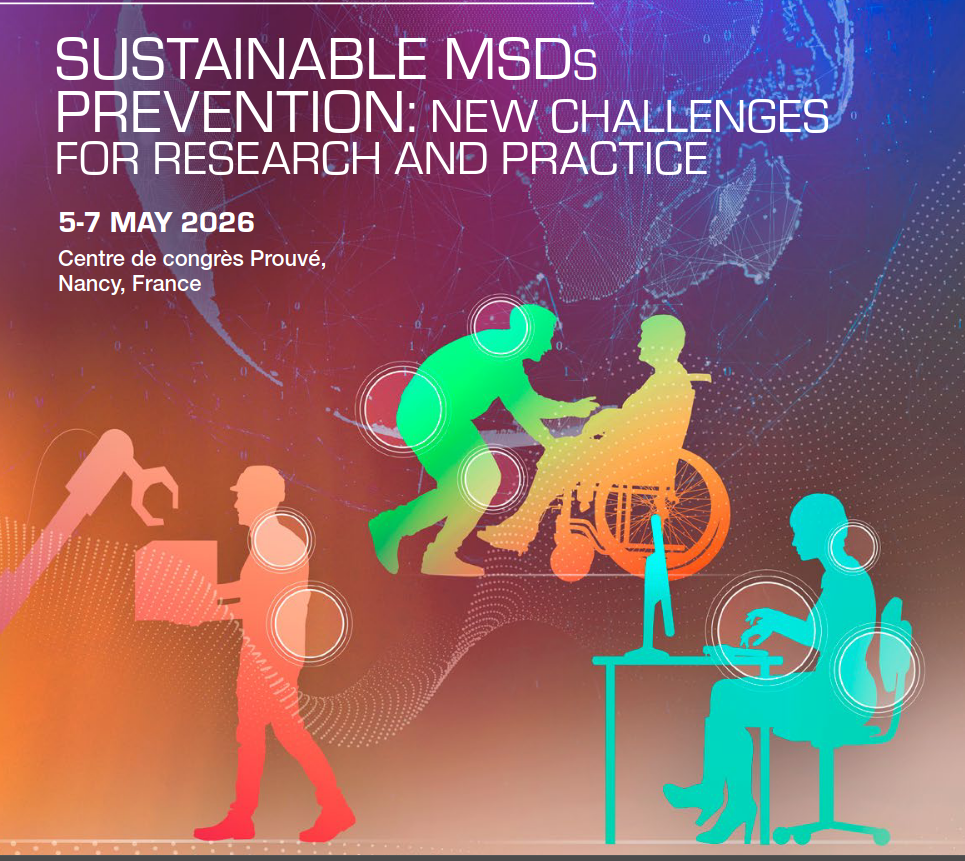
Presentation at the Sustainable MSD prevention
Invited Presentation at the Sustainable MSD Prevention - New Challenges for Reasearch and Practice
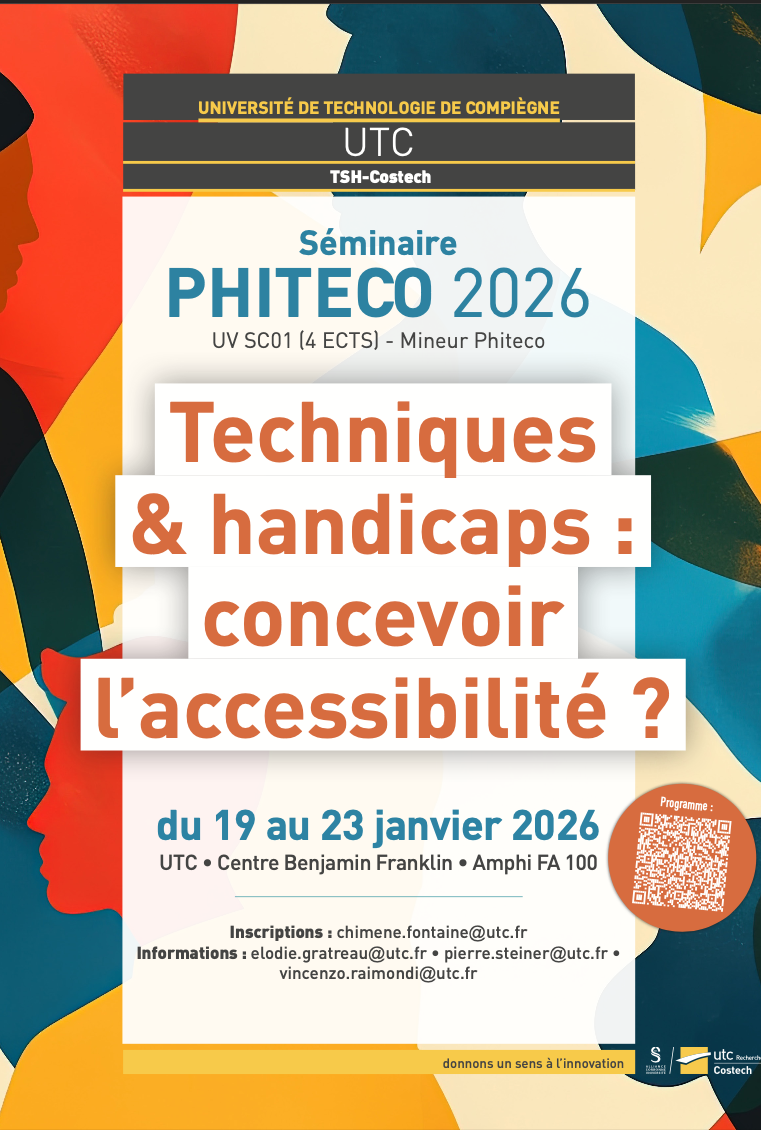
Documentary viewing session at the PHITECO seminar
Presentation of the Smart Arm documentary at the PHITECO seminar
Presentations at the annual congress of the french society of biomechanics
Oral presentation of 2 different works at the 2025 annual congress of the french society of biomechanics in Marseille.

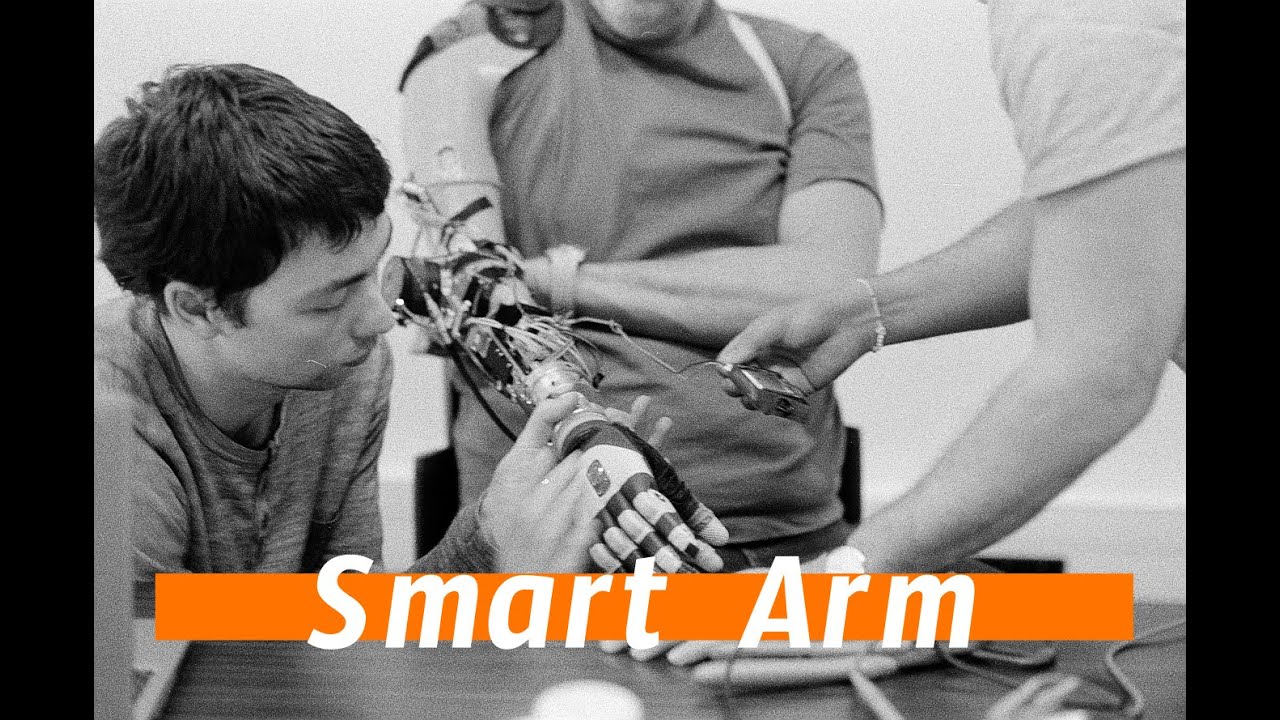
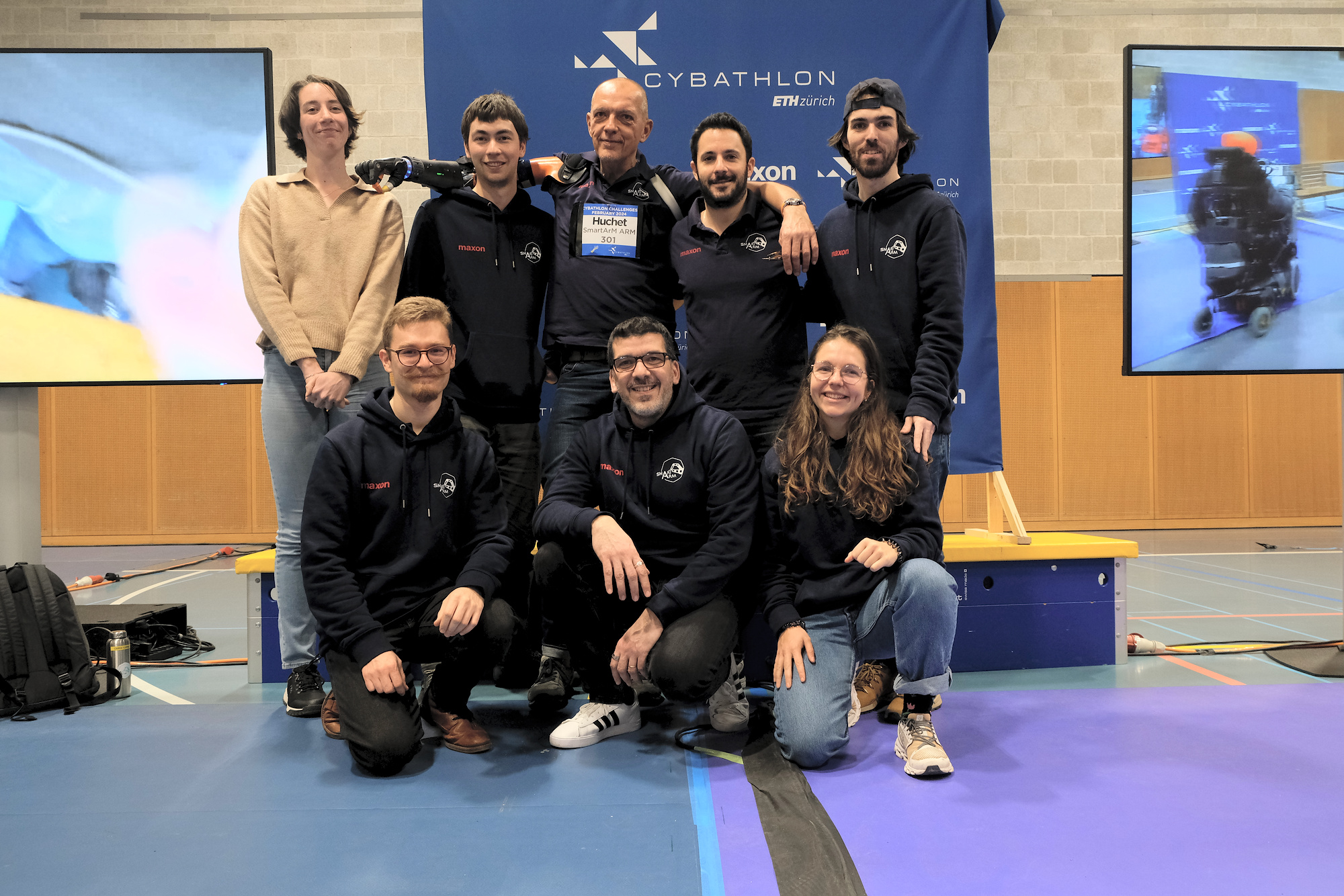
SmartArm - a human and technological adventure
Documentary about a research team building a robotic prosthesis for amputees
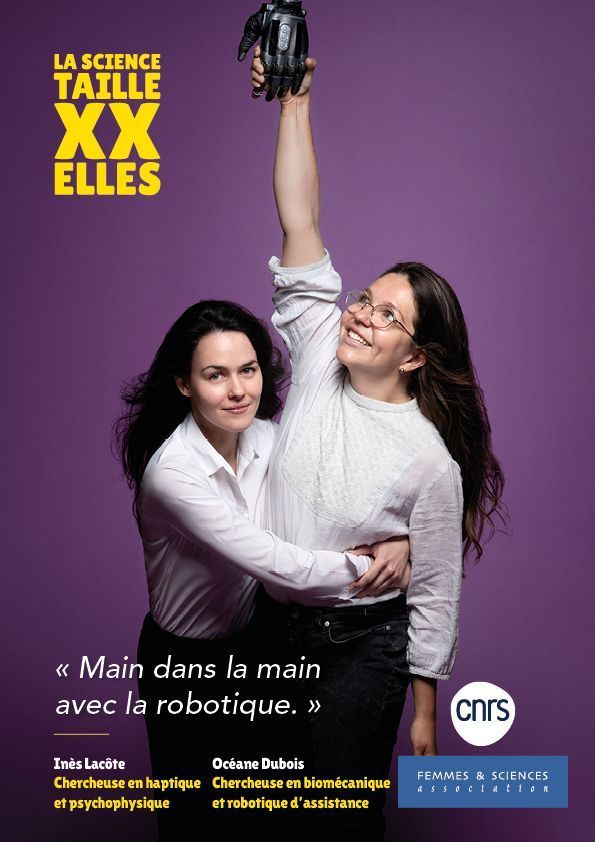
Science Taille XX Elles
2025 Ambassador for the Sciences Taille XX Rlles initiative of the CNRS and the Femmes et Sciences association
CoordiMotion
CoordiMotion Application

R4 Seminary
Presentation for the R4 Seminary
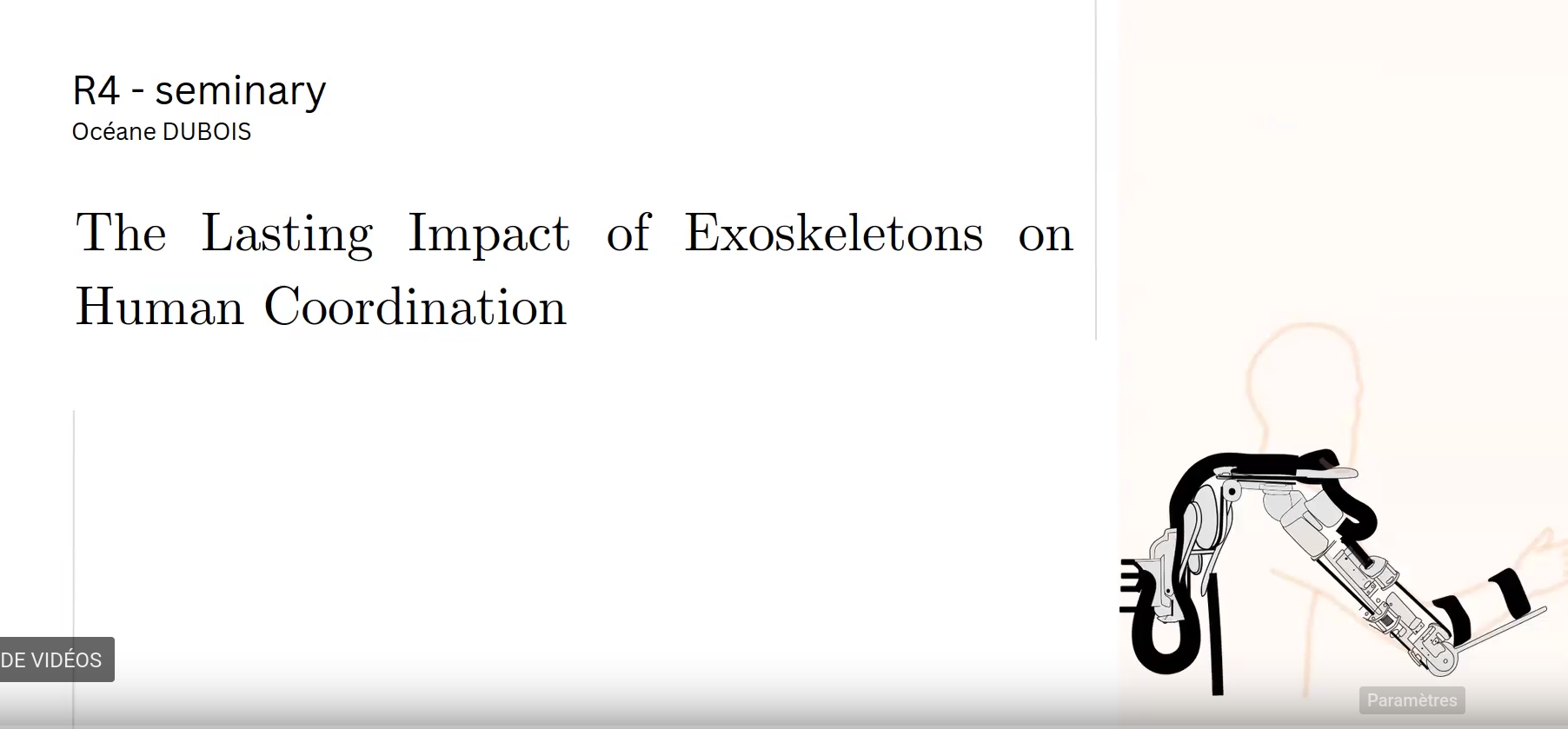
PhD defense
PhD defense "Characterizing the after-effects of wearing an upper-limb exoskeleton on inter-joint coordination"
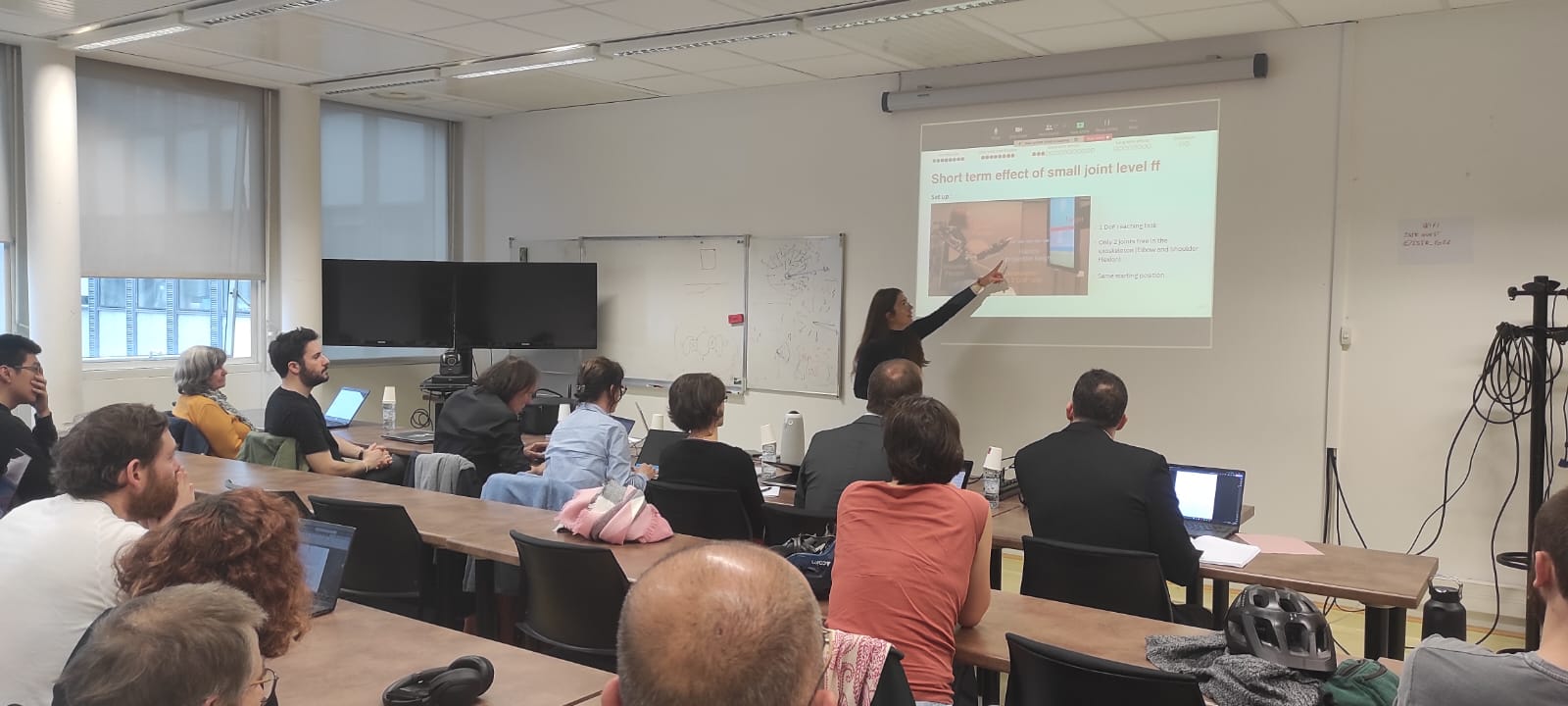
Humanoids Conference 2024
Poster Presentation at Humanoids 2024 Conference
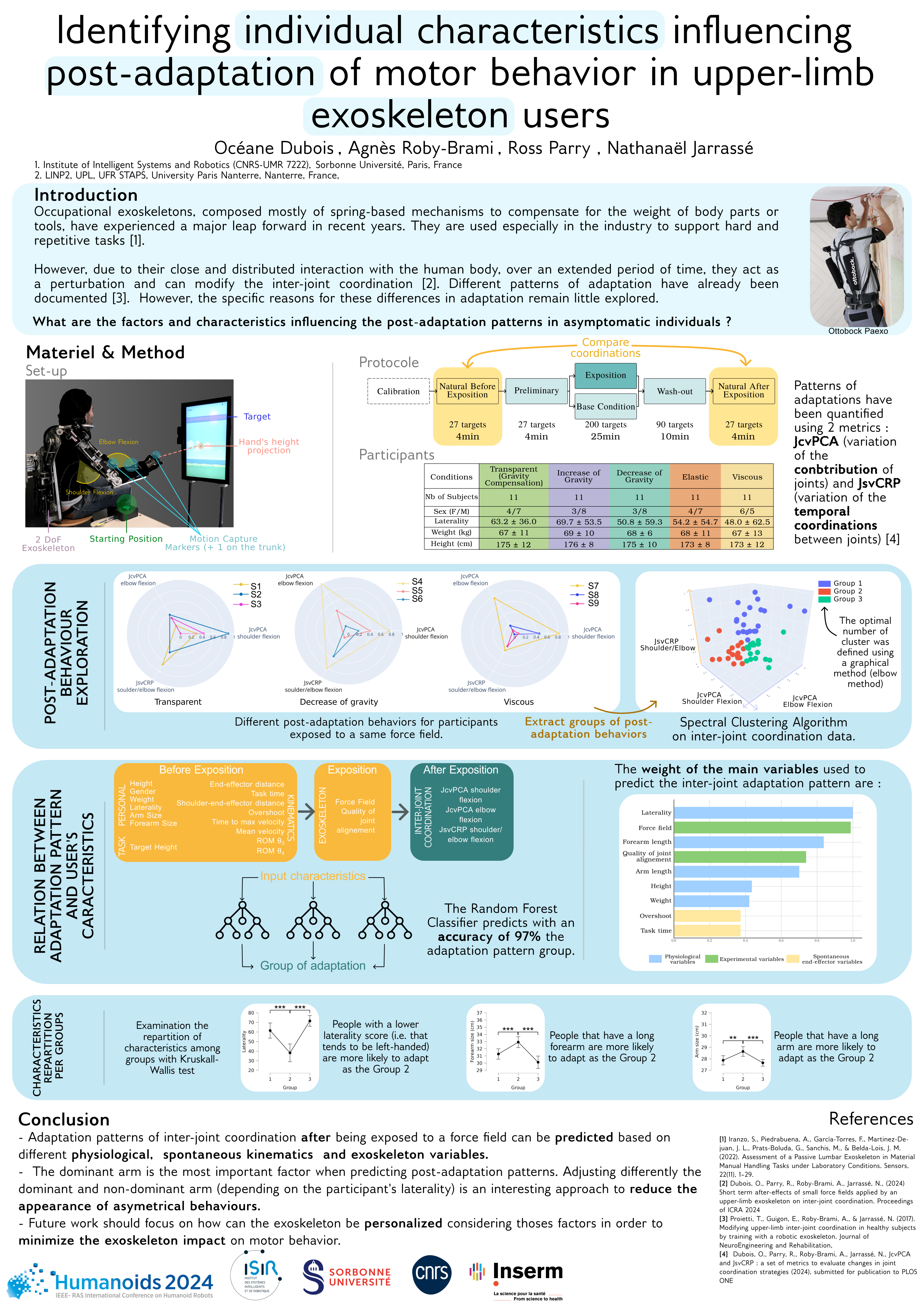
Release of a toolbox for Inter-joint coordination metrics
Release of a python toolbox for measuring inter-joint coordination for multiple joints
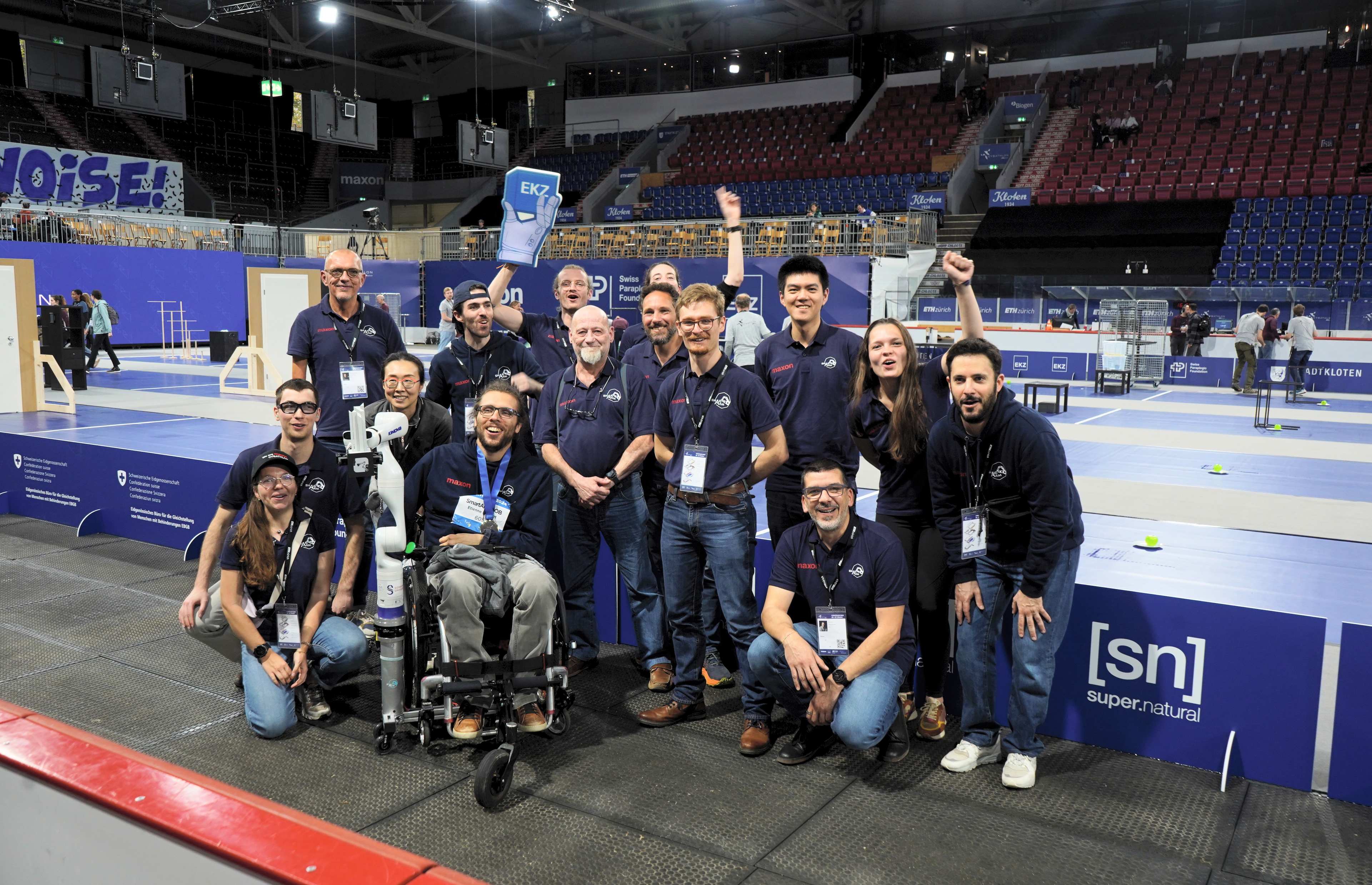
Participation to TOM France Hackathon
Contributing to TOM France Hackathon to design solution for people with disabilities
ICRA Conference 2024
Presentation at ICRA 2024 Conference, in Yokohama, Japan
My PhD thesis project
My PhD project consists in understanding better human-exoskeleton interactions
Internship - Control of a Robotic Upper Limb Prosthesis at the Institute of Cognitive and Integrative Neuroscience of Aquitaine (INCIA)
Control of a Robotic Upper Limb Prosthesis at the Institute of Cognitive and Integrative Neuroscience of Aquitaine (INCIA), University of Bordeaux, within the Hybrid Sensorimotor Control Team
Participation to the EEA Competition
Participation to the EEA Competition